
Grounding, Belonging & Support
I feel lost or disconnected
Sometimes inner change does not feel inspiring. It feels lonely, confusing, flat or difficult to explain to the people around you. You do not need to solve your entire life today. Start with what would help most right now.
You haven’t gone anywhere. You’re still here. Disconnection can feel like static — from other people, from meaning, from yourself. There’s no quick fix for that, and you don’t need one today. You just need somewhere gentle to start.
** If what you’re feeling is heavy, constant, or hard to carry alone, this Hub can be a companion — but it isn’t a substitute for a therapist, doctor, or counselor. Reaching out to one is a strong step, not a failure of this path.
“You don’t have to know where you’re going to take one small step toward feeling like yourself again.”
Start Here
What would help most today?
01
I need to feel grounded.
Simple practices for getting out of your head and back into the present.
A simple practice to sit with ↓
When you feel lost or disconnected, even a quiet moment can fill with questions: Where am I going? Why don’t I feel like myself? Grounding offers somewhere simple to begin. Feel your feet against the floor, notice the support of the chair beneath you, or name three sounds you can hear. You can let those questions wait while you give your attention to what is here.
Choose one small practice that feels comfortable: wash your hands and notice the water’s temperature, step outside and feel the air, or slowly drink a glass of water. If focusing inward feels uncomfortable, keep your eyes open and explore the colours and shapes around you. You don’t have to force a sense of peace. For now, simply noticing where you are can be enough.
02
I need to understand what I’m going through.
Gentle explanations for loneliness, transition and identity change.
A gentle explanation ↓
Feeling lost or disconnected can be especially unsettling when you can’t explain why. You may miss a sense of closeness even around people you love, or find that familiar roles, routines and ambitions no longer feel like yours. Loneliness, transition and identity change can overlap: as one part of life shifts, you may feel unsure where you belong or how to describe who you’re becoming. That uncertainty deserves patience and attention.
Start by gently asking, “What has changed—and what am I missing?” Perhaps you’re grieving an old friendship, adjusting to a different role, or questioning expectations you once accepted. You don’t need to label everything a spiritual awakening or find a lesson before you’re ready. Understanding may come gradually, through honest reflection and conversations with someone who listens. You’re allowed to need connection and support while the answers are still taking shape.
03
I need to feel less alone.
Stories, perspectives and reminders that inner change can affect belonging.
An explanation to sit with ↓
Inner change can make belonging feel unexpectedly complicated. You may still care about the people around you while finding it harder to join familiar conversations or explain what matters to you now. Hearing someone describe a similar experience—the awkwardness, the longing, the uncertainty—can bring a quiet sense of recognition: “Someone else has felt this too.” Their story may give you words for something you’ve been carrying alone.
Feeling understood doesn’t require finding people who share every belief or question. Connection can begin with one honest conversation, a shared activity, or someone willing to listen without trying to fix you. Some relationships may need time to adjust; others may offer closeness in ways you hadn’t noticed. You’re allowed to change and still want company, affection and a place at the table—even while you’re figuring out what belonging means to you now.
A grounded way to explore
Begin with the body before the big questions
When everything feels abstract or overwhelming, practical stabilization often deserves priority.
When you feel lost or disconnected, questions about purpose, identity and belonging can become exhausting. Before asking yourself to make sense of everything, check what you need right now. Have you eaten, had some water, rested or moved from the same position? A simple meal, clean clothes or a few minutes outside can give you a little more steadiness from which to meet what feels difficult.
Let the next step be small enough to manage: feel the chair supporting you, stretch gently or notice the light through a window. Choose what feels comfortable; there’s no need to force yourself into calm. Your bigger questions deserve attention, and you can return to them at a gentler pace. For now, caring for your body is a meaningful way to begin caring for yourself.
01
Orient
Name five things you can see and three things you can physically feel.
Notice the space around you ↓
When you feel lost or disconnected, begin by noticing the space around you. Keep your eyes open and slowly name five things you can see: a blue cup, a doorway, sunlight on the wall, a folded blanket, a leaf. Let each detail be ordinary and specific. There’s no hidden meaning to find and no need to concentrate perfectly—just give yourself a moment to notice where you are.
Next, name three things you can physically feel, choosing sensations that seem comfortable or neutral: your feet against the floor, your sleeves touching your arms, or the chair beneath you. If a sensation feels unpleasant, choose another or return to looking around. You don’t have to feel different immediately. Simply noticing your surroundings and the contact supporting you is enough for this moment.
02
Reduce input
Step away from intense spiritual content for a while if it is increasing distress.
Give yourself permission to pause ↓
When you feel lost or disconnected, searching for answers can become its own source of overwhelm. One video leads to another, each offering a new explanation for what you’re experiencing. If spiritual content leaves you frightened, pressured to decode everything, or less connected to everyday life, give yourself permission to pause. You can leave a question unanswered and return to it when you feel steadier.
For a while, choose something familiar and undemanding: make a meal, listen to gentle music, spend time outdoors or talk with someone you trust about ordinary things. Notice how you feel with fewer messages competing for your attention. Your spiritual curiosity can have a slower pace, with room for rest, discernment and the life happening around you.
03
Reconnect
Choose one ordinary supportive action: food, sleep, movement, nature or company.
Participate in your own life ↓
When you feel lost or disconnected, it can be hard to know what would help. Begin with one ordinary act of care: eat something nourishing, make time to rest, stretch gently, step outside or reach out to someone whose company feels comfortable. Choose what meets your needs today and feels manageable with the energy you have.
Give that action your attention without asking it to change everything. Notice the taste of your food, the air on your face or the sound of a familiar voice. You may still have questions afterward, and that’s okay. Reconnection can begin with these small moments of participating in your own life, even before you feel clear about where it is going.
04
Reach outward
Talk to someone trustworthy rather than carrying the experience entirely alone.
Share with someone who listens ↓
When you feel lost or disconnected, putting the experience into words can feel difficult—especially when you’re still trying to understand it yourself. Begin with someone who has shown they can listen with care: a friend, family member, counsellor or grounded spiritual mentor. You might simply say, “I haven’t felt like myself lately. I don’t need answers right now, but I’d appreciate some company.” You can share a little at a time.
Notice whether the conversation leaves room for your uncertainty and your own judgment. A trustworthy person will respect your boundaries, take your feelings seriously and let you question their perspective. If the first person you approach cannot offer that, you’re allowed to seek someone else. Being heard can make the experience feel less lonely, even while its meaning is still unclear.

YOU MAY NEED TO READ THIS FIRST
Why Spiritual Awakening Can Feel Lonely—even When Your Life Looks Fine
Explore what happens when your inner priorities change faster than your relationships, identity and external life can adapt.
Follow What Resonates
Explore what you’re experiencing

Grounding
7 Grounding Practices for Overwhelming Days
Low-pressure ways to return attention to the body and immediate environment.

Awakening
Dark Night of the Soul: 13 Signs and What Helps
For difficult periods of identity disruption and collapsing certainty.

Holistic Wellbeing
Your Body May Be Stuck in Survival Mode
When exhaustion, vigilance and overstimulation need more than spiritual interpretation.
Tool
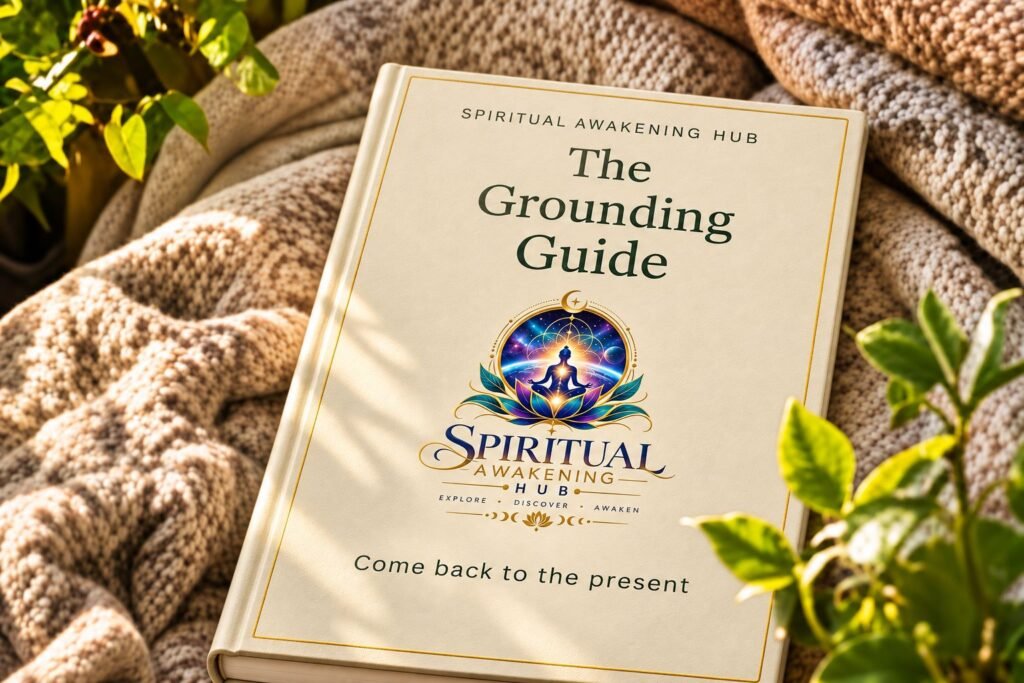
FEATURED GUIDE
You do not need a breakthrough. You may need steadiness.
Choose the gentlest useful next step rather than the most dramatic explanation.
**Spiritual resources can support reflection and meaning-making, but they are not a replacement for professional mental-health or medical care. If difficult feelings are persistent, worsening or interfering substantially with daily life, consider reaching out to an appropriate qualified professional.
Not sure where to begin?
The SAH assessment offers a starting point based on what you are experiencing and what would help most.